Carry hardware
Stitched loop, metal carabiner, belt loop or a wrist strap — each tested to 12 kg pull.
A 130 × 120 × 55 mm hard case for the Yoto Mini: die-cut cradle, four-card elastic pocket in the lid, stitched carabiner loop tested to 12 kg, and a 5 mm EVA shell that keeps the case under 180 g.
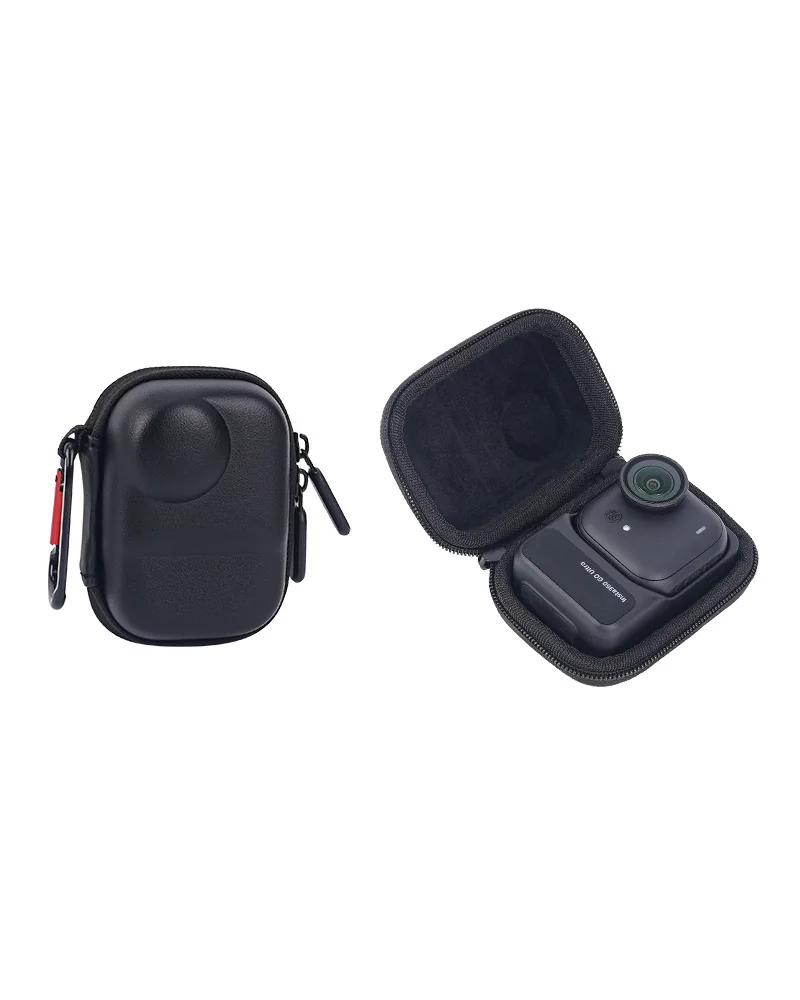
The Yoto Mini goes where the full-size player does not: a coat pocket, a car door pocket, a backpack side pocket. That changes two things in the design. The case has to be carried by the hand or clipped to a strap rather than dropped into a bag, and the card stack has to be held by an elastic pocket instead of a sleeve, because a sleeve that works at 160 mm is too deep at 130 mm and the cards slide out of reach.
What we build is 130 × 120 × 55 mm: a moulded cradle for the player, a four-card elastic pocket in the lid, a carabiner loop on the spine and a webbing grab handle. Shell is 5 mm EVA at 25 kg/m³ faced in 600D polyester, lined in jersey. Weight is 165–180 g empty. The carabiner loop is a stitched webbing loop, not a rivet through the shell — a rivet is the first thing to pull out on a case that is clipped to a bag every day.
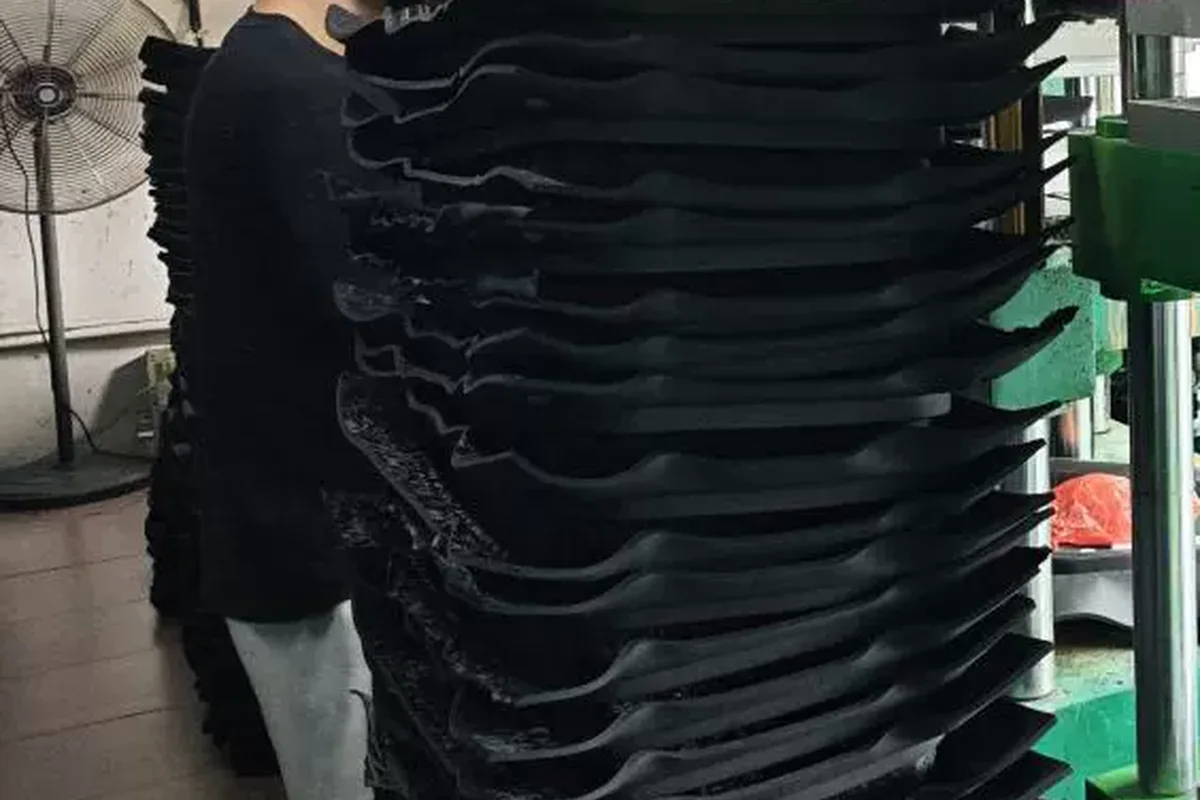
The cradle is cut from the physical player or a 3D file. An aluminium master takes 15–20 days, and the first shells follow in three days. Wall thickness, corner radius and the insert outline are fixed before the tool is quoted; moving any of them later means re-cutting the tool, not re-pressing the shell.
The shell mould runs US$600–1,400 and the insert die US$150–300, both credited against 2,000 pcs. Most Mini projects we quote do not need a new shell at all: the player is close in size to shells already in the 300+ mould library, so only the insert is cut — 5–7 days, US$150–300, no shell tooling.
A travel case gets dropped from hand height and swung by its loop. We test both: 1.2 m onto concrete on six faces with a 1.2 kg dummy load, and a 12 kg pull on the carabiner loop and handle, because a case that survives the drop but tears off the strap is not usable on a trip.
A shell passes when corner compression stays under 1 mm and the loop stitching shows no pull-through. Zips are cycled 5,000 times on a jig, and cartons are drop tested to ISTA 3A. Photos and measurements arrive with the pre-production sample.
The size and the cavity are the two lines that move the tool; the rest are options.
Stitched loop, metal carabiner, belt loop or a wrist strap — each tested to 12 kg pull.
Four-card elastic pocket, a zip pocket, or a second cradle for a spare player.
Full-colour print from 500 pcs per design, or a solid Pantone-matched face.
Clear PVC window on the back for a written name, sewn under the zip line.
A travel case that is clipped to a bag should be light and slightly flexible: at 25 kg/m³ a 5 mm wall takes a knock by flexing and returns, and the whole case stays under 180 g. Going to 8 mm on a 130 mm shell adds about 40 g and 15% cost for protection the player does not need at that size.
Where the extra stiffness earns its place is the lid. An 8 mm lid stops a point load — a water bottle in the same pocket — from pressing on the card stack, and adds about 20 g. Hardness sits at 35–45 Shore C on the sheet we press; a 10 mm base pad under the cradle keeps the player off the shell floor when the case lands on a corner.
A travel case meets sun cream, juice and rain. The jersey lining and the 600D face both wipe clean with a damp cloth and a little mild soap; 70% isopropyl alcohol is fine for a deeper clean if the case is left open for ten minutes afterwards. Do not machine wash or tumble dry — the moulded wall softens from about 70 °C, and wet foam takes 24–36 hours to dry.
The zip is water-resistant, not waterproof, and the case carries no IP rating: it keeps rain off a player in a coat pocket, it is not a dry bag and it will not survive being submerged. If a buyer needs a watertight travel case, that is a different construction — a gasket and a hard shell — and we will say so rather than quote a case that cannot do it.
We measure the unit, cut the cavity drawing and come back within 12 hours with tooling, unit price at 300 and 3,000 pcs, and a sampling date.
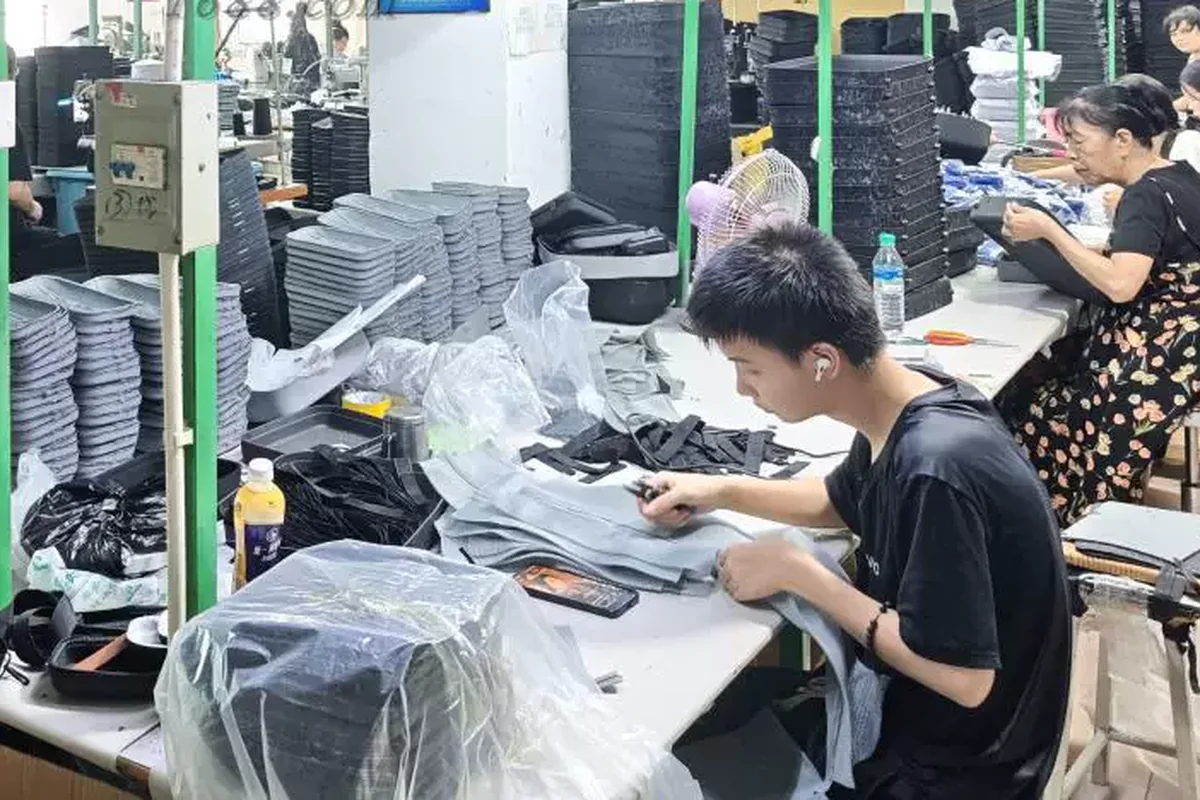
The same mould room and press floor build these pages and products.
Send the device you need to pack, the quantity and the artwork you already have. We reply with a cavity drawing, a unit price at 300 and 3,000 pcs, and a sampling date — within 12 working hours.